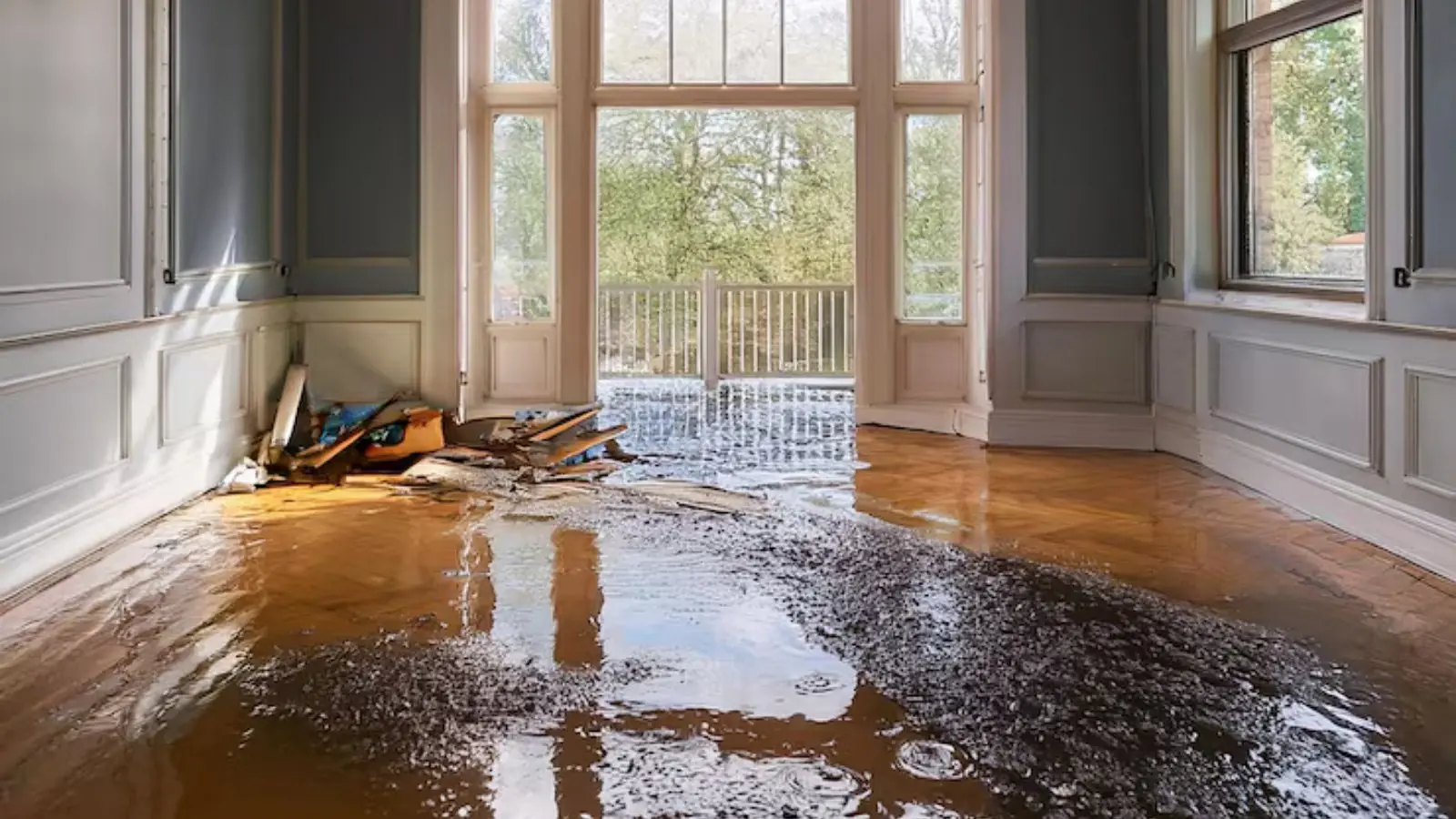
Water Damage Repair and Restoration in Hyattsville, MD
Need water damage repair in Hyattsville, MD? Call the 24/7 emergency line. A dispatcher asks what happened, explains scope and price before work starts, and sends licensed and insured restoration professionals, with same-day response when available.
- Licensed and insured
- Scope and price explained before work starts
- Serving Hyattsville and nearby towns
Water level gauge
Find the level that matches your home, then take the first move. Then call the line.
- 1Damp materialsFind and stop the source. Open windows, run fans, and call the line if the area is not dry in a day or two.
- 2Soaked carpet or drywallShut off the main water valve and lift valuables off the floor. Wet pad and drywall usually need pro drying.
- 3Standing waterStay away from outlets and cords in the water. Cut power to wet areas only if the panel is dry and safe to reach.
- 4Sewage or floodwaterKeep people and pets out. Do not wade in or clean it up yourself. Call the line right away.
- Licensed and insured
- Scope and price explained before work starts
- Same-day response when available
- Serving Hyattsville and nearby towns
Water spreading right now?
Call the 24/7 emergency line at (301) 936-0619. Shut off the main water valve if you can reach it safely, and keep people and pets out of any water that touches outlets or sewage.
Water damage restoration in Hyattsville starts with one call
Pipes burst, roofs leak and basements flood at all hours. If you need water damage repair in Hyattsville, MD, the first job is to stop the damage from spreading. The 24/7 emergency line, (301) 936-0619, is open day and night.
A dispatcher asks what happened, where the water came from and how far it has spread. Then we explain the scope and the price before work starts. Licensed and insured restoration professionals are sent to your door, with same-day response when available.
Time matters because wet drywall, pad and framing break down fast. The EPA says to dry water-damaged areas and items within 24 to 48 hours to prevent mold growth. That is why water mitigation comes first: air movers, LGR dehumidifiers and moisture meters go in before any rebuilding.
Six services behind one phone number
Most calls need more than one of these. The dispatcher sorts out which comes first.
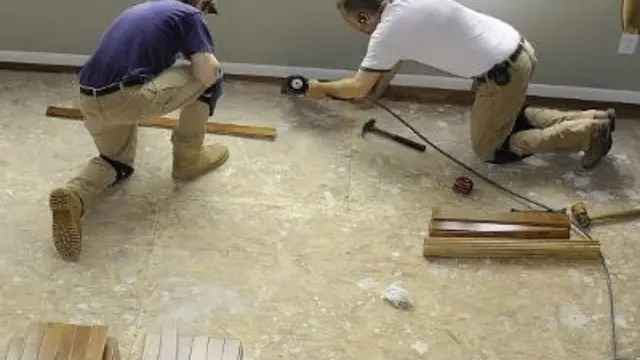
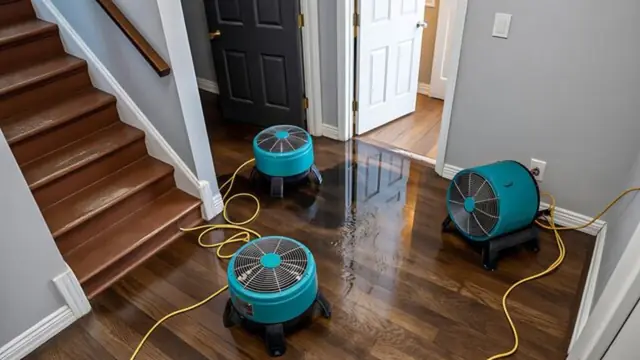
Water Mitigation
Stop the damage from growing with extraction, structural drying and moisture monitoring.
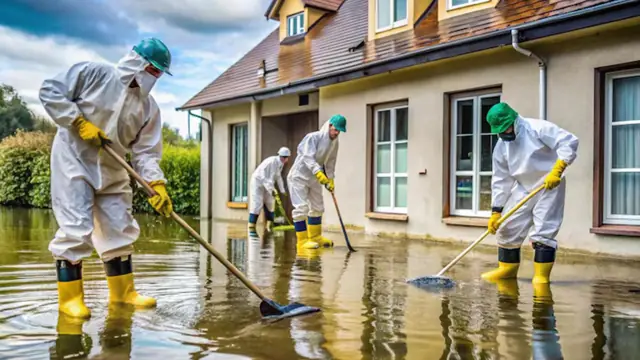
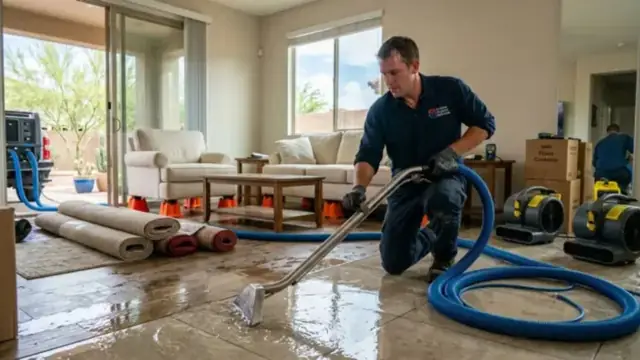
Emergency Water Removal
Pump and extract active water from burst pipes, appliance failures and leaks.
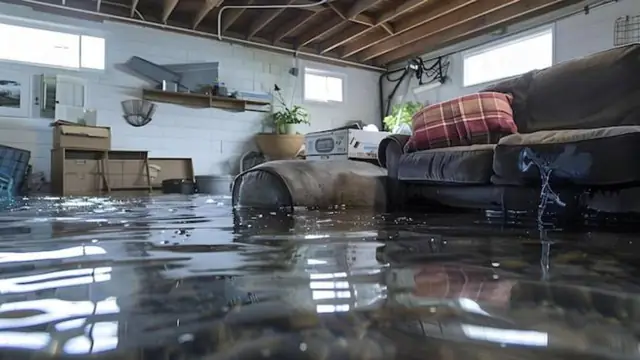
Flood Damage Restoration
Handle storm flooding and sewage backup, where the water is often contaminated.
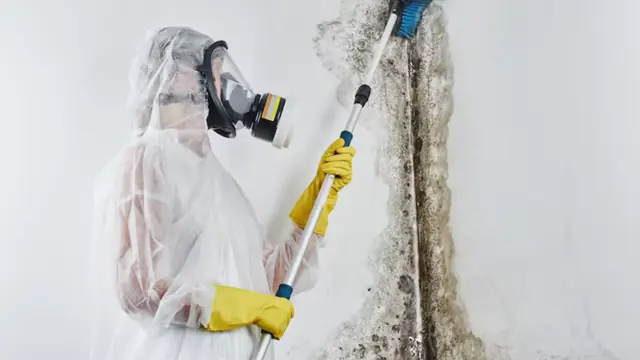
Mold Remediation
A secondary service. It follows once the moisture source is fixed and the area is dry.
What you get when you call
A live answer, any hour
The 24/7 emergency line takes calls at night, on weekends and on holidays. You describe the problem and get a clear next step.
Scope and price first
You hear what the job involves and how the price is built before anyone starts work.
Licensed and insured
The restoration professionals we send are licensed and insured. Ask for details when you call.
Industry standards
Ask any company whether its crews follow ANSI/IICRC S500 for water and S520 for mold. You should get a plain answer.
From phone call to dry home
- 1
Call and describe it
Tell the dispatcher what happened, when it started and whether sewage or electricity is involved.
- 2
Hear the plan
The scope of work and the price are explained before work starts. Ask anything you want.
- 3
Dry and clean
Crews extract standing water, remove materials that cannot be saved and set drying equipment.
- 4
Check and rebuild
Moisture meters confirm the structure is dry. Then repairs begin.
Older buildings, older pipes
The Hyattsville Historic District was listed on the National Register in 1982. The register entry says the town grew mostly after the 1870s because of rail and communication links between Washington and Baltimore. The city says the district holds nearly 1,000 buildings.
Buildings from that era can have older supply lines, older drains and wall cavities that are hard to inspect. A slow leak can hide inside those wall cavities for months. Thermal imaging cameras and moisture meters help crews find wet spots without tearing open every wall, which helps keep the scope of water damage repair tight.
Three kinds of water and what each one changes
The S500 standard sorts water into three categories. The category decides what can be dried in place and what must be thrown out.
| Category | In plain words | Common sources | What it means for the job |
|---|---|---|---|
| Category 1 | Clean source water | Supply line, sink overflow, rainwater from a clean source | Most materials can be dried in place if you act fast |
| Category 2 | Significantly contaminated | Washing machine or dishwasher discharge, some toilet overflows | Carpet pad is usually removed, hard surfaces are cleaned and treated |
| Category 3 | Grossly contaminated | Sewage, floodwater, river or creek overflow | Porous materials come out, and trained crews do the work |
Clean water left alone can slide into Category 2 and then Category 3 as it sits. That is another reason to call early.
Hyattsville downpours and basement water
The city's own Lower Ward 1 Resilient Stormwater Systems Study looked at flood risk. It says 41st Street has standing water during and after intense rain. It also says much of the storm drain system dates from 1960 to 1990.
The study used two storms to build its model: August 2014 with 2.96 inches over about 5.5 hours, and July 2017 with 4.21 inches over about 15 hours. The lesson for a homeowner is simple. A basement near a low street or a clogged inlet can flood in a hard rain even when no river overflows. Flood damage restoration crews handle that kind of loss.
Water and sewer service comes from WSSC Water. Its website lists a 24-hour emergency line, 301-206-4002, for a water main break or a sewer backup into your home. For a backup, WSSC says the homeowner maintains the pipe from the property line to the building. Call WSSC about the main, then call us about the damage inside.
How the size of the loss shapes the plan
Every job is different, and we do not guess at prices over the phone. These four levels show what drives the scope and the cost.
Small, clean-water loss
Scope: one areaA supply line drip or an overflow that was caught early. Drying often takes a few days with air movers and a dehumidifier.
One-room Category 2
Scope: one roomAn appliance discharge soaks one room. Pad and low drywall may come out, and the surfaces are cleaned and treated.
Multi-room or basement
Scope: several roomsWater travels under walls and into flooring. Extraction units, many air movers and daily moisture readings are needed.
Whole level or sewage
Scope: whole levelCategory 3 water or water across a full floor. Containment, heavy removal and a longer rebuild are likely.
Water category, affected area, materials, drying days and rebuild scope set the final price. You hear it before work starts.
Route 1 buildings, shared walls and rentals
Hyattsville runs along the US 1 corridor. The Hyattsville Armory at 5123 Baltimore Avenue sits on it, and the state-designated Gateway Arts and Entertainment District follows it from the Riverdale Park border south. In any building with shared walls and ceilings, water from one unit can travel into the next.
The Census says 48.4 percent of Hyattsville homes are owner-occupied, so about half of households rent. If you rent, tell your landlord or property manager right away and keep your own photos. Renters policies cover your belongings, not the building, according to the Maryland Insurance Administration. Apartment water damage cleanup often involves the building owner, so the order of calls matters.
Insurance and your water damage claim
Check your policy and ask your insurer. The Maryland Insurance Administration says most homeowners policies do not cover flooding. Sewer or water backup is an optional endorsement that insurers must offer.
Sudden and accidental damage, like a burst pipe, is often covered. Slow leaks are a different story, and most homeowners policies will not cover damage from one. Take photos and video before you move anything, and keep receipts. Ask for a written scope of work, because your insurer will want one.
Towns near Hyattsville we also cover
The 24/7 emergency line also covers College Park, Bladensburg, Riverdale Park, Brentwood and Mount Rainier. See the full service area page for ZIP codes.
Water damage questions from Hyattsville homeowners
Yes. The 24/7 emergency line takes calls at night, on weekends and on holidays. The dispatcher asks what happened and sends licensed and insured restoration professionals, with same-day response when available.
While you wait, stop the source, shut off the main water valve and keep people and pets out of any water that touches outlets or sewage.
Shut off the main water valve. Lift valuables and electronics off the floor, and turn off power to wet areas only if the panel is dry and safe to reach. Then call the line.
No. Restoration removes water damage and dries the structure. Waterproofing stops future seepage, and that is a separate trade. We can tell you when a drainage problem is behind the water.
No, we do not offer equipment rentals. Crews bring and monitor the drying equipment as part of a restoration job, because the settings need readings from moisture meters each day.
Take photos and video of the damage before you move or throw out anything. Keep damaged items if your insurer asks, list what was lost and save receipts. We can explain the scope of work in writing. Your policy decides what is covered, so call your insurer.
Mold is a secondary issue. It needs moisture, so drying comes first. If mold has already formed, mold remediation follows the S520 standard, and health questions belong with a physician.
Stay out of it and keep children and pets away. Call WSSC Water's 24-hour line at 301-206-4002, then call us. Sewage is Category 3 water, so porous materials usually come out.
We serve Hyattsville ZIP codes 20781, 20782, 20783, 20784 and 20785, plus nearby towns. Tell the dispatcher your address when you call.
Water in your home? Call the 24/7 emergency line
Call (301) 936-0619 any hour. Tell us what happened and hear the scope and price before work starts.
☎ Call (301) 936-0619