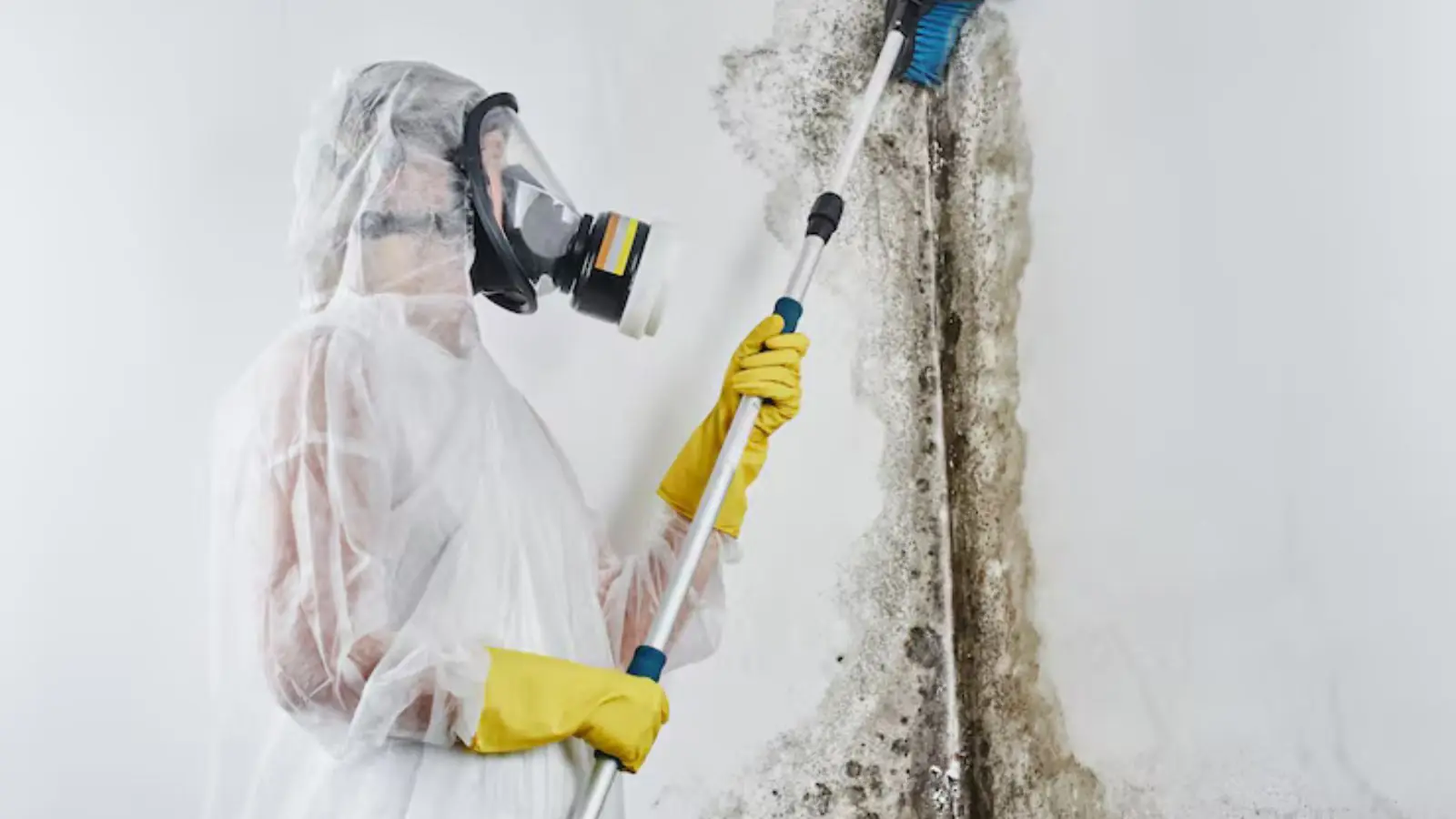
Mold Remediation After a Leak or Flood: The Short Version
Mold remediation is the controlled removal or cleaning of mold-damaged materials, the fix for the moisture behind it, and the checks that show the work is done. In a Hyattsville home it usually follows a leak, a flood or a slow drip that stayed wet. The (301) 936-0619 line answers 24/7, and same-day response is offered when available.
The order of work matters. The EPA says mold will not grow without water or moisture, so crews deal with the water first. Then they clean or remove what mold has already reached.
A Musty Smell, Dark Spots on a Ceiling, or a Stain That Keeps Returning
A musty smell in a basement, dark spots on a ceiling after a leak, or a stain that reappears after you paint over it often means a spot that never fully dried. That is when mold remediation, not just cleaning or repainting, makes sense. Call the line, describe what you see, and the dispatcher can set up an assessment.
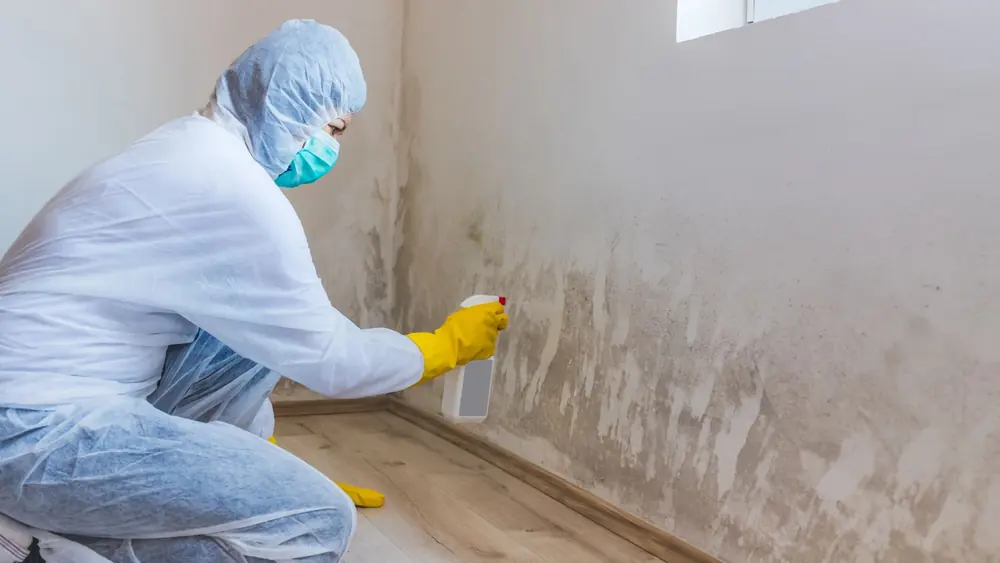
Mold After Water Damage
Mold needs moisture, and water damage supplies it. The EPA advises drying water-damaged areas and items within 24 to 48 hours to prevent mold growth. Wet drywall, insulation, carpet pad and framing can hold water for days if no one dries them.
That is why the water source comes first. Cleaning mold off a wall that a leak still feeds only resets the clock. Water mitigation is the stage that finds the source, extracts the water and dries the structure with air movers and dehumidifiers until moisture meters read dry.
Local weather adds to it. The nearest long-term NOAA station, Reagan National Airport, averages 41.82 inches of precipitation a year, and its July mean is 81.0 F. In warm, damp summers a wet basement or a leaking condensate line can stay damp for a long time without help.
Building age matters as well. The Hyattsville Historic District holds nearly 1,000 buildings, according to the city, and homes of that age often have older roofs, siding and plumbing where small leaks can hide.
Leak Sources That Lead to Mold
Most mold jobs begin with a leak that someone has fixed or is about to fix. Knowing which source applies tells the crew where to scan with a moisture meter and a thermal imaging camera.
Common sources of a recent leak
- A toilet seal or supply line that leaked can soak the subfloor and the ceiling below.
- A sink drain or supply fitting that dripped inside a cabinet can stay hidden for a long time.
- An air conditioner condensate line that clogged or drained the wrong way can wet ceilings, attic insulation and the tops of walls.
- A roof leak that reaches the attic can dampen insulation and sheathing before a stain shows on the ceiling.
- Siding or window flashing that lets rain into a wall cavity can wet sheathing and framing out of sight.
- A past flood or sewage backup can leave moisture in walls and flooring if materials were not removed and dried fully.
Mold after a leak?
Call (301) 936-0619 to describe what you found, and get the scope and price explained before any work starts.
Mold Removal and Black Mold Cleanup
Black mold is a color, not a diagnosis. Whether growth looks black, green or white, the method depends mostly on how much material is affected and what that material is made of. Lab work can name a type, but it does not replace a scope based on what the crew finds.
Professional work uses a set of method steps. Crews build containment with plastic sheeting, run a negative air machine so air flows into the work area, and use HEPA air scrubbers and HEPA vacuums. Porous materials that mold has grown into, such as drywall, insulation and carpet, are usually removed and bagged. Hard surfaces are cleaned and dried.
Small jobs can be done by the homeowner. The EPA's do-it-yourself guideline applies if the moldy area is less than about 10 square feet, and it advises scrubbing hard surfaces with detergent and water and drying completely. The EPA says bleach is not recommended as a routine practice during mold cleanup, and the CDC says never to use bleach in a closed space.
Anything larger, or any mold left by sewage or floodwater, belongs with a professional. The EPA advises calling one who has experience with buildings damaged by contaminated water.
Safety steps while you wait for the crew
What to do and not do around visible mold
The EPA says mold will not grow without water or moisture, so the first job is to stop the water and dry wet areas within 24 to 48 hours. After that, leave visible mold alone until you have decided who will clean it.
The EPA gives about 10 square feet as the general limit for a do-it-yourself cleanup. Anything larger, or any mold that came from sewage or floodwater, is a job for a professional with experience in buildings damaged by contaminated water.
- Scrub small patches on hard surfaces with detergent and water, then dry them completely.
- Do not mix bleach with ammonia or other cleansers, and never use bleach in a closed space, as the CDC warns.
- The EPA does not recommend bleach as a routine step in mold cleanup.
- Do not brush or scrub moldy drywall or ceiling tile that is soft or crumbling. Call instead.
How the Approach Changes With Size and Material
| Situation | Typical approach | Notes |
|---|---|---|
| Under about 10 square feet on tile, glass or another hard surface | Scrub with detergent and water, then dry completely | EPA do-it-yourself guideline. Fix the moisture source first. |
| Under about 10 square feet on drywall or ceiling tile | Remove and replace the affected piece | Porous material cannot be fully cleaned. Check for a hidden leak above. |
| One room, such as a bathroom ceiling or closet wall | Containment, HEPA filtration, removal of porous materials, HEPA vacuum and wipe-down | Small containment with a negative air machine. |
| Basement walls or a finished lower level | Larger containment, negative air, removal of drywall and carpet, drying of framing | Drainage and water source reviewed before rebuild. |
| Attic sheathing or insulation after a roof leak | Remove wet insulation, clean wood surfaces, HEPA vacuum, repair the roof first | Moisture readings show how far to cut. |
| Crawl space | Correct the moisture, remove wet insulation, clean framing | Restoration is not waterproofing. A drainage fix may be separate. |
These rows are typical approaches, not a promise for your home. The crew sets the real scope on site with moisture meters and a visual check.
The Work Sequence, Start to Finish
- 1
Find and stop the water
The source is found and fixed or dried first. Moisture meters and a thermal imaging camera show how far the wet area reaches.
- 2
Contain the work area
Plastic sheeting seals the area. A negative air machine with a HEPA filter keeps air moving into the work zone instead of out.
- 3
Remove and clean
Wet or mold-covered porous materials come out in sealed bags. Hard surfaces are cleaned and dried, and HEPA vacuums pick up dust.
- 4
Dry and verify
Dehumidifiers and air movers dry what stays. Visual checks, moisture readings and testing, if you want it, confirm the result.
- 5
Rebuild
Water damage repair replaces drywall, insulation and finishes once the area passes.
Proving the Job Is Finished
Post-remediation verification is the step where someone checks that the cleanup met its goals. It begins with a visual check of surfaces and dust, plus moisture readings that show the structure is dry. Some homeowners also want clearance testing, which is air or surface sampling after the work.
Ask who does the testing. Many people prefer an independent tester who is not the company that did the cleanup, so one party is not grading its own work. ANSI/IICRC S520 is the published procedural standard for remediating mold-damaged structures and contents, and you can ask any company whether it works to it and how it defines a finished job.
Test results are numbers on a lab report, and they do not diagnose anything about you. Questions about how you feel belong with a physician.
When a Buyer's Lender Wants the Mold Gone Before Closing
Sometimes a sale stalls because the buyer's lender will not fund the loan until visible mold is removed. The usual path is remediation, a written scope of what was done, and verification that the area is clean and dry. Each lender sets its own rules, so ask the lender what paperwork it wants.
Tell the dispatcher your closing date when you call. No company can promise that a specific lender will accept the result, so get the lender's requirements in writing first. The scope-and-price method is the same for a Hyattsville home or one in nearby College Park.
What Sets the Scope and Price of a Mold Job
Before any work, the crew walks the area with a moisture meter, writes down the scope and explains how the price is built. You approve both before work starts.
A small patch on a hard surface
Scope: under about 10 sq ftOften a cleaning job a homeowner can handle with detergent and water.
A bathroom or closet ceiling
Scope: one small roomSmall containment, removal of the wet drywall and a HEPA clean.
A room with wet drywall and insulation
Scope: one full roomLarger containment and more material removal, plus drying before rebuild.
A finished basement
Scope: lower levelSeveral walls, carpet and framing. Negative air runs for the whole job.
Multiple rooms or a whole floor
Scope: multiple areasMore containment zones, more drying days and a larger rebuild.
Area size, materials, number of containment zones, drying days and rebuild scope set the price. It is explained before work starts.
Licensing and Standards in Maryland
What to ask any mold company
Maryland passed a 2008 law to license mold remediators under the Home Improvement Commission. The Maryland Home Improvement Commission FAQ says that subtitle terminated on July 1, 2019. Maryland does not currently run a mold remediation license under that 2008 law, so ask any company what training and standards it follows.
The restoration professionals on this line are licensed and insured. Ask any company whether its crews work to ANSI/IICRC S520, how it contains the work and how it verifies the result.
Mold and Your Insurance Policy
General guidance, not a coverage decision
The Maryland Insurance Administration says most policies exclude mold unless it results from a covered peril. It also says most homeowners policies will not cover damage from a slow leak. Sudden and accidental water damage is more often covered than gradual leaks and neglect.
Check your policy and ask your insurer what applies. Take dated photos of the mold and the water source before work starts.
Mold questions from Hyattsville homeowners
Dark spots can be mold, dirt or water staining, and only a trained inspection or testing can say which. A ceiling that stayed wet after a leak is a spot where mold can grow.
Fix the leak first, then call the line for an assessment. Avoid scrubbing or cutting into it without protection.
The EPA says do-it-yourself cleanup fits if the moldy area is less than about 10 square feet. Scrub mold off hard surfaces with detergent and water, and dry completely.
Mold on drywall, insulation or carpet, larger areas, and anything tied to sewage or floodwater should go to a professional.
The EPA says bleach is not recommended as a routine practice during mold cleanup. Detergent and water do the job on hard surfaces.
The CDC says never to use bleach in a closed space and never to mix it with ammonia or other cleansers.
Ask the lender what paperwork it needs, then arrange remediation with a written scope and verification that the area is dry and clean. Each lender sets its own rules.
No company can promise a lender will accept the result, so get the requirements in writing first and tell the dispatcher your closing date.
Verification starts with a visual check and moisture readings. Clearance testing by an independent tester is an option, and you can ask who performs it.
No one can promise mold will never return, because mold grows wherever moisture does. Fixing the water source is what lowers the chance.
The price depends on the size of the area, the materials affected, how many containment zones are needed, drying days and the rebuild. A patch on a bathroom ceiling is a different job from a finished basement.
Scope and price are explained before work starts.
Often not. The Maryland Insurance Administration says most policies exclude mold unless it results from a covered peril, and slow leaks are commonly not covered.
Read your policy and ask your insurer, because wording varies.