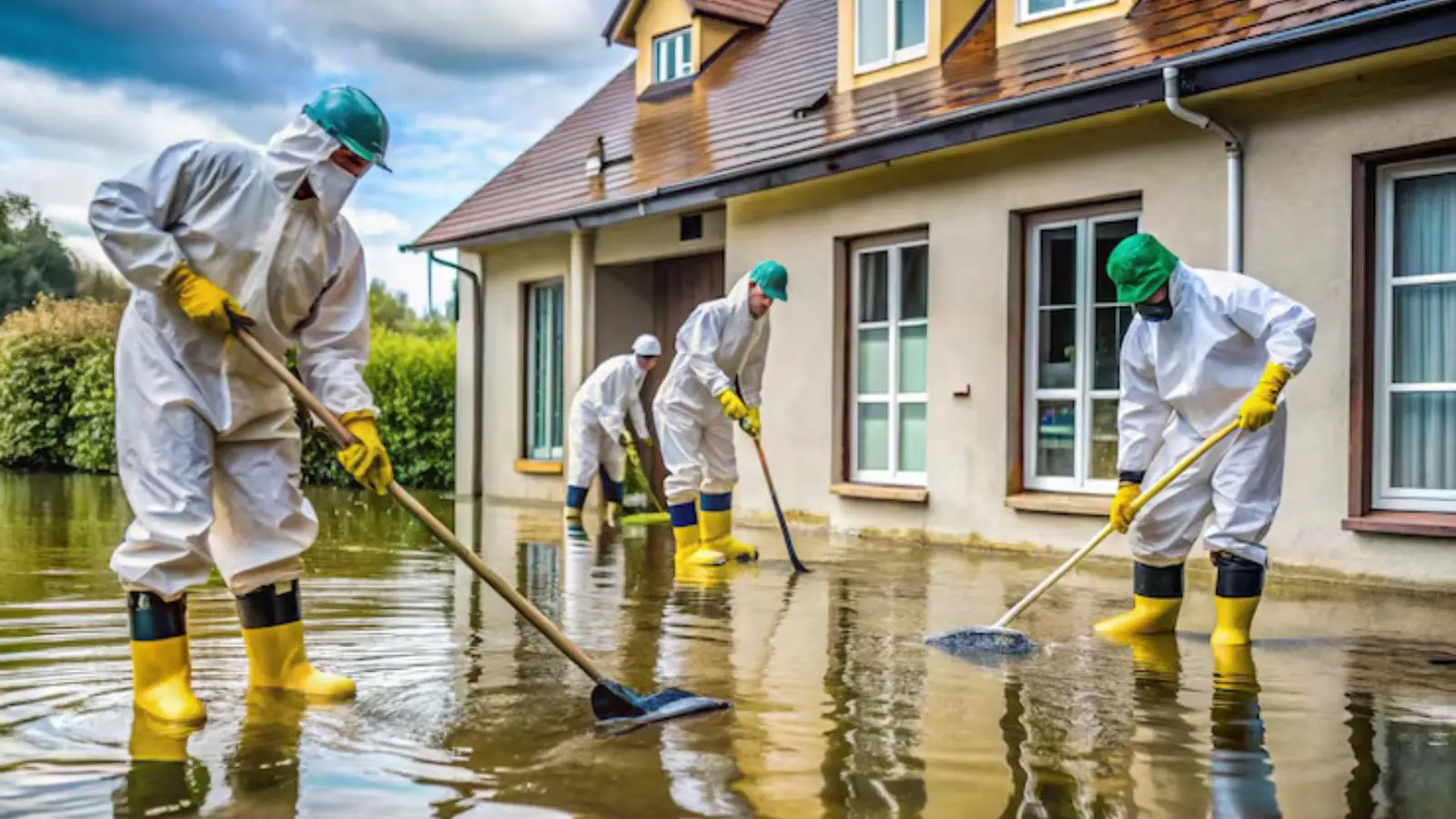
Cleanup begins once the water is stopped
Wet carpet, soggy drywall and a floor covered in debris need action today. Call (301) 936-0619: the emergency line runs 24/7, and the first call starts with questions about where the water came from and what it touched. Water damage cleanup in Hyattsville, MD is the removal of water, debris and contaminated materials, followed by cleaning, sanitizing and deodorizing the space.
Before the crew arrives, stop the source, keep children and pets out of the affected rooms and avoid wading through water you cannot identify. Lift valuables, photograph the damage and turn off power to wet areas only if the panel is dry and safe to reach. The water mitigation page covers the drying side of the job.
Cleanup and drying overlap. Wet materials come out first, which makes drying faster and keeps odor from building.
The first 48 hours after a leak or flood
Time matters because wet porous materials hold moisture and carry smell. The EPA advises drying water-damaged areas and items within 24 to 48 hours to prevent mold growth, and cleanup is what makes that target reachable. Soaked carpet pad, wet insulation and swollen drywall slow drying down if they stay in place.
Same-day response is available when crews are free, and a night or weekend call is handled the same way. Cleanup that waits a week costs more, because stained surfaces, odors and hidden moisture all grow with time.
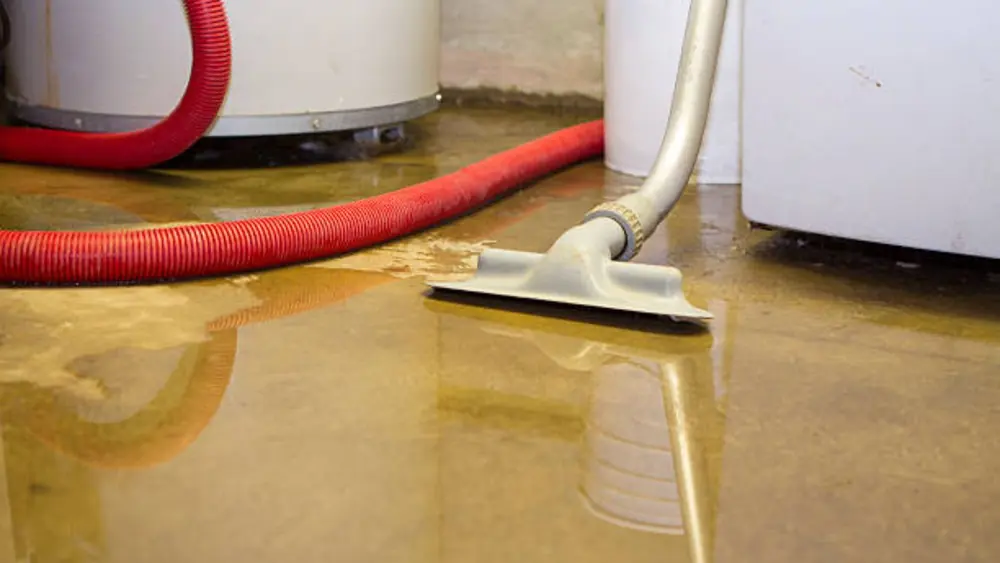
Water categories in plain words
The ANSI/IICRC S500 standard for professional water damage restoration groups water into three categories by how contaminated it is. The category decides what can be cleaned and what must be thrown away.
| Category | Plain meaning | Typical sources | How cleanup changes |
|---|---|---|---|
| Category 1 | Clean source water | A broken supply line, an overflowing sink with clean water, a tub overflow | Most materials can be dried and kept if the work starts fast. |
| Category 2 | Significantly contaminated | Washing machine or dishwasher discharge, toilet overflow with urine but no feces | Carpet and pad usually come out. Hard surfaces get cleaned and sanitized. |
| Category 3 | Grossly contaminated | Sewage, rising floodwater, water that sat long enough to turn | Porous materials come out, the area is sanitized and crews wear protective gear. |
Clean water can become Category 2 or 3 if it sits. A supply line leak left for days is no longer a clean-water job.
What comes out and what can stay
A cleanup crew sorts every material into keep or remove. These are the usual calls, and a written scope should show them room by room.
Carpet
Carpet from a clean-water loss can often be cleaned and dried in place if it is caught early. Carpet touched by Category 2 or 3 water is usually discarded.
Carpet pad
Pad acts like a sponge and is replaced in most cases, even when the carpet above can stay.
Drywall
Drywall soaked through or touched by contaminated water is cut out. Wall board that stayed above the wet line may dry in place, and meters confirm it.
Insulation
Wet fiberglass or cellulose is removed so the wall cavity can dry. Dry insulation higher in the cavity can often be left.
Contents
Hard goods, such as metal, plastic and sealed wood, can usually be cleaned. Soft goods like upholstery, mattresses and stuffed items from contaminated water are generally discarded.
Need the wet debris out today?
Call (301) 936-0619 any hour. Same-day response when available.
Cleaning, sanitizing and odor control
After wet materials are removed, surfaces are cleaned, then sanitized with an antimicrobial product matched to the water category. Cleaning removes soil that sanitizer cannot reach through, so the order matters. HEPA vacuums pick up fine debris, and extraction units pull residue from hard floors.
Odor control follows the source. Smell comes from damp materials and from bacteria growing in them, so removing the material and drying the space does most of the work. Air scrubbers and deodorizing products help in what is left, but they do not replace removal. A musty room that smells again after deodorizing usually still has moisture inside a wall or under a floor.
If cleanup turns up visible growth, treat that as a separate question. Mold remediation follows ANSI/IICRC S520, and the EPA's do-it-yourself guideline applies only to areas under about 10 square feet.
Sewage, floodwater and bleach: safety first
Do not wade in contaminated water or mix cleaners
The CDC says floodwater can contain dangerous bacteria from overflowing sewage. Keep children, pets and anyone with open cuts out of it, and wear waterproof boots and gloves if you must enter.
The CDC also says never to use bleach in a closed space and never to mix bleach with ammonia or other cleansers. Open windows, wear gloves and keep products separate. The EPA does not recommend bleach as a routine practice for mold cleanup.
For a sewer backup into the home, WSSC Water's 24-hour line is 301-206-4002. If water touches electrical outlets or you smell gas, leave and call 911 and your utility before calling the line.
Contents handling and your insurance claim
Sudden and accidental water damage is often covered, while a gradual leak often is not. Flood damage is usually excluded without separate flood coverage, and sewer backup often needs an endorsement. Check your policy or ask your insurer what it requires.
Document before anything is thrown away
- Take wide and close photos of every room and the water source before cleanup starts.
- List damaged items with a description, age and where you bought them. Photograph each one.
- Keep a small sample of removed carpet, pad or flooring if it is safe to handle and your insurer asks for it. Bag it and label it.
- Save receipts for emergency costs, such as a hotel, disposal or temporary repairs.
- Write down who you spoke to and when. Maryland's claim settlement rule, COMAR 31.15.07.03, treats failing to acknowledge a notice within 15 working days as an unfair practice, with exceptions.
- Ask the crew for their written scope and moisture records at the end of the job.
What drives the size of a cleanup
Clean water, hard floors
Scope: smallExtraction, wiping and sanitizing on tile or sealed floors.
Clean water, carpeted room
Scope: moderatePad removal, carpet cleaning or replacement and a baseboard check.
Drywall and insulation removal
Scope: largerCut-outs at the wet line, haul-away and debris cleanup in more than one room.
Category 2 loss
Scope: extensiveDischarge from appliances or toilets calls for removal of porous materials and sanitizing.
Category 3 loss
Scope: majorSewage or floodwater brings protective gear, wide material removal and contents decisions.
Scope and price are explained before work starts. The main factors are water category, area, materials removed and disposal.
Cleanup in Hyattsville homes and nearby towns
WSSC Water says responsibility for a sewer backup depends on where the blockage is. The homeowner maintains the line from the property line to the building, and WSSC maintains its main. WSSC advises calling a registered plumber first, and it has a claims office for possible reimbursement.
Once the water is gone and the space is clean, the rebuild is covered under water damage repair. Larger events with rising outside water fall under flood damage restoration. Crews also serve Bladensburg and other towns near Hyattsville.
Water damage cleanup questions from Hyattsville homes
Yes. The line is staffed 24/7, so a call at 2 AM on a Sunday is answered. Same-day response is available when crews are free. No arrival time is promised, but the first conversation sets priorities and tells you what to do while you wait.
Sometimes. Carpet from a clean-water loss that is extracted and dried quickly can often stay, while the pad is usually replaced. Carpet touched by sewage or floodwater is generally discarded.
Look at the source. A broken supply line is usually clean at first, while a toilet, sewer line or floodwater is not. Water that sat for days is treated as more contaminated than when it started. When in doubt, stay out and ask.
Keep photos, a list of damaged items, receipts and, if safe, a labeled sample of removed material. Check your policy and ask your insurer what it needs.
Sewage is grossly contaminated, so professional handling is the safer route. The EPA says to call a professional with experience in buildings damaged by contaminated water. If you must act before help arrives, wear protective gear and never mix bleach with other cleaners.
A returning smell usually means moisture is still in a wall, floor or the pad. Deodorizing masks it without drying it. A crew with moisture meters can find where the water is.